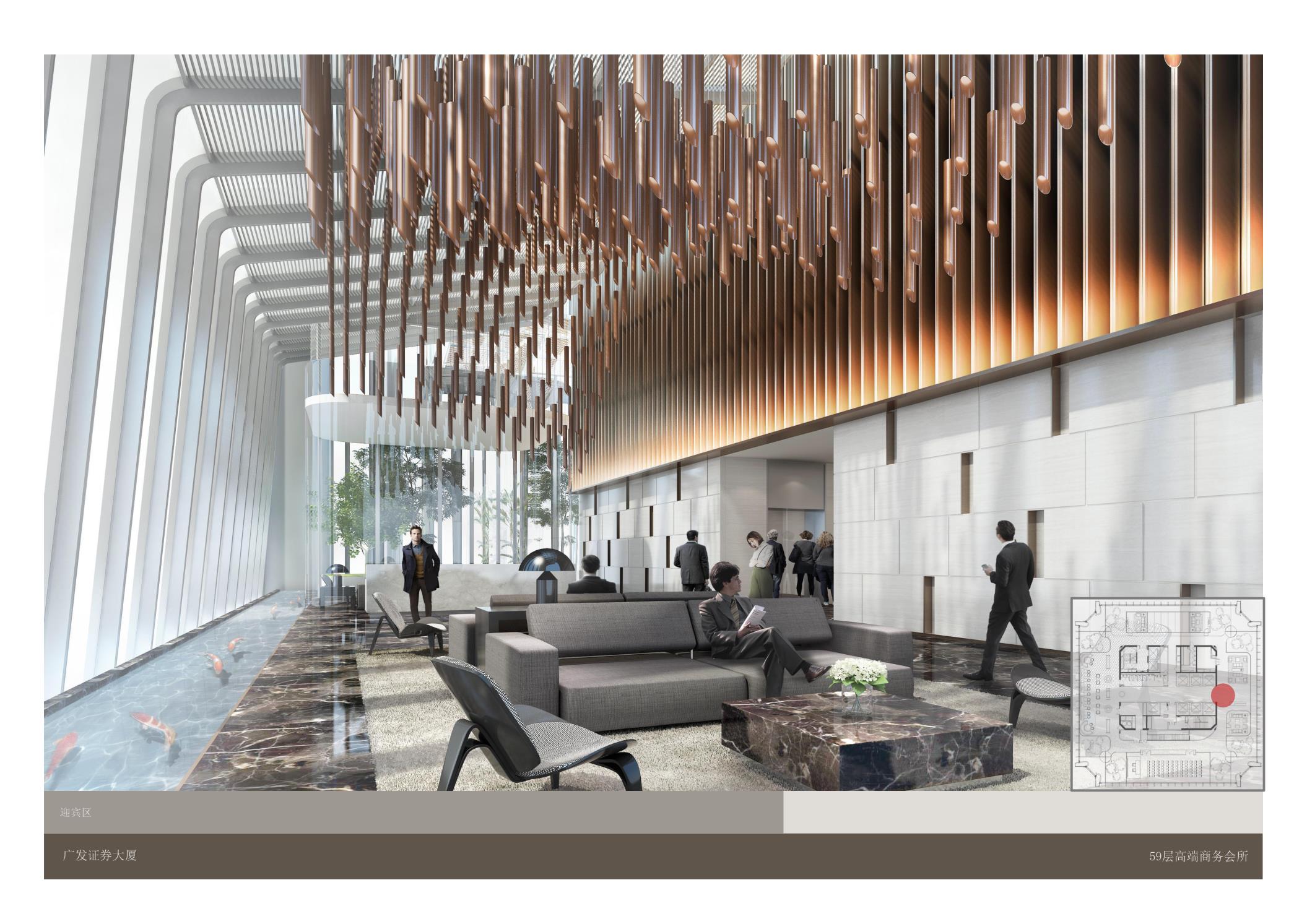
- 194
nterior Design in Hong Kong That Makes a Real Difference
Hong Kong is not a city that tolerates inefficiency. Space is scarce, time is compressed, and expectations—whether residential or commercial—are exacting. In this environment, interior design Hong Kong cannot be reduced to visual styling or trend replication. It must perform. It must last. And most importantly, it must make a measurable difference to how people live, work and interact.
From dense office towers in Central to mixed-use podiums in Kowloon East, from luxury apartments on The Peak to high-turnover retail and F&B spaces in Causeway Bay, interior design in Hong Kong sits at the intersection of real estate economics, cultural behaviour and technical execution. The gap between a beautiful space and a successful one is often invisible—but deeply consequential.
This article explores what it truly means to design interiors in Hong Kong with purpose and performance, and how setting a new standard requires more than aesthetics—it requires strategy, governance and local intelligence.
Why Interior Design in Hong Kong Requires More Than Just Aesthetics
Hong Kong’s urban form is defined by density and verticality. Unlike low-rise cities where space can absorb inefficiencies, Hong Kong demands precision. Every square metre carries cost implications, operational consequences and experiential weight.
Urban Density and Property Typologies
The city’s dominant property typologies include:
-
Grade-A office towers in Central, Admiralty and Quarry Bay
-
Mixed-use developments integrating retail, office and hospitality
-
High-rise residential apartments with compact footprints
-
Retail podiums and malls such as IFC, Harbour City and Times Square
-
Boutique hotels and serviced apartments catering to transient professionals
Each typology requires a fundamentally different design logic. A generic design approach—often imported without adaptation—fails quickly under Hong Kong conditions.
Lifestyle Shifts and Client Expectations
Post-pandemic work culture has accelerated demand for flexibility, wellness and adaptability. Offices are no longer purely operational containers; homes must support work-from-home without sacrificing privacy; retail spaces must compete with digital convenience; hospitality spaces must justify physical presence through experience.
Clients in Hong Kong are commercially astute. Whether developers, landlords or owner-occupiers, they increasingly expect design to:
-
Improve asset value
-
Support operational efficiency
-
Reduce long-term maintenance risk
-
Align with ESG and sustainability expectations
Design that cannot articulate its functional and financial rationale struggles to gain trust.
Designing with Purpose and Performance
Great interior design balances emotion with evidence. It must feel right—and work relentlessly behind the scenes.
Spatial Efficiency and Workflow Logic
In Hong Kong, spatial efficiency is not about cramming more functions into less space. It is about clarity of use. Well-designed interiors reduce friction:
-
Clear circulation paths improve productivity and comfort
-
Logical zoning reduces noise conflict and privacy issues
-
Multi-functional spaces increase utilisation without clutter
In offices, this translates into better collaboration without distraction. In homes, it means smoother daily routines across generations. In retail and hospitality, it directly affects dwell time and revenue.
Emotional Impact with Measurable Outcomes
People-centric design is not abstract. Emotional comfort—created through proportion, light, material tactility and acoustic balance—has measurable outcomes:
-
Higher employee retention and satisfaction
-
Improved customer perception and brand loyalty
-
Increased property desirability and resale value
In Cantonese, there is a phrase often heard in client discussions: 「住得舒服」—living comfortably. True comfort, however, is rarely accidental. It is designed through intention and tested through use.
Durability and Long-Term Adaptability
Hong Kong interiors endure heavy use. Offices reconfigure, tenants change, families grow, retail brands pivot. Design that cannot adapt becomes obsolete quickly.
Purpose-driven interiors anticipate change:
-
Modular planning
-
Robust detailing
-
Services coordination that allows future modification
This is where performance thinking separates thoughtful design from visual decoration.
Raising the Benchmark for Interior Design in Hong Kong
Despite a competitive design landscape, gaps remain in how projects are planned and delivered.
Where the Market Often Falls Short
Common challenges include:
-
Weak technical detailing leading to site conflicts
-
Limited coordination between design intent and construction reality
-
Over-reliance on visuals without build logic
-
Inadequate cost and risk control
These gaps are not aesthetic—they are structural.
Structured Methodology as a Differentiator
Raising standards requires discipline:
-
Clear design governance
-
Documented decision-making
-
Accountability at every stage
Interior design Hong Kong projects that succeed consistently are those managed with the same rigour as architectural or engineering works—because the financial stakes are often just as high.
Designing for Hong Kong’s Climate, Culture and Construction Reality
Climate and Material Intelligence
Hong Kong’s subtropical climate brings high humidity, temperature variation and typhoon exposure. Material selection must account for:
-
Moisture resistance
-
Dimensional stability
-
Ease of maintenance
Timber, stone, metal and composite materials behave differently under these conditions. Design that ignores this reality ages poorly.
Cultural and Workplace Norms
Local work culture values efficiency, hierarchy and discretion. Residential culture prioritises privacy and family cohesion. Design must respond accordingly:
-
Acoustic separation in offices and homes
-
Transitional spaces that buffer public and private zones
-
Storage planning that reflects urban living constraints
Construction and Regulatory Realities
Interior projects in Hong Kong operate within strict constraints:
-
Building management approvals
-
Fire Services Department requirements
-
MEP coordination in ageing buildings
-
Tight construction timelines
Execution literacy—understanding what can realistically be built, when and how—is essential.
Creating Meaningful Impact Across Residential and Commercial Spaces
Residential Interiors
In high-rise apartments and luxury residences, strategic design:
-
Enhances liveability without expanding footprint
-
Supports multigenerational living
-
Improves long-term property value
Well-designed homes reduce daily stress, support privacy and feel intuitively organised.
Commercial and Office Interiors
In offices, design influences:
-
Productivity and collaboration
-
Brand perception
-
Talent attraction and retention
In a competitive talent market, space has become a strategic asset.
Retail and Hospitality Spaces
Retail and hospitality interiors must convert experience into revenue. Layout efficiency, sensory design and operational clarity directly affect performance. Here, interior design becomes a commercial tool, not a decorative exercise.
From Concept to Completion
Delivering meaningful interior design requires a structured, end-to-end workflow:
-
Strategic consultation and brief alignment
-
Concept development rooted in use-case logic
-
Spatial planning and detailed design
-
Visualisation balanced with technical documentation
-
Cost planning and feasibility checks
-
Authority and building management submissions
-
Site supervision and coordination
-
Quality inspections and defect control
-
Installation, commissioning and handover
Each step reduces risk and protects design intent.
A Trusted Interior Design Partner in Hong Kong
Clients choose long-term design partners not for style alone, but for reliability. Authority is built through:
-
Consistent delivery across sectors
-
Technical competence
-
Transparent processes
-
Measurable outcomes
Global exposure adds perspective, but local intelligence ensures success. In Hong Kong, this balance is essential.
Redefine Your Space in Hong Kong
Interior design that makes a real difference is not louder—it is smarter. It respects context, serves people and performs over time.
If you are seeking interior design Hong Kong that sets a new standard through purpose and performance, begin with a strategic conversation. The most successful spaces are not rushed—they are thoughtfully resolved.
好設計,係用得耐、住得好、做得順。
Good design lasts, lives well, and works seamlessly.
Connect with us in


