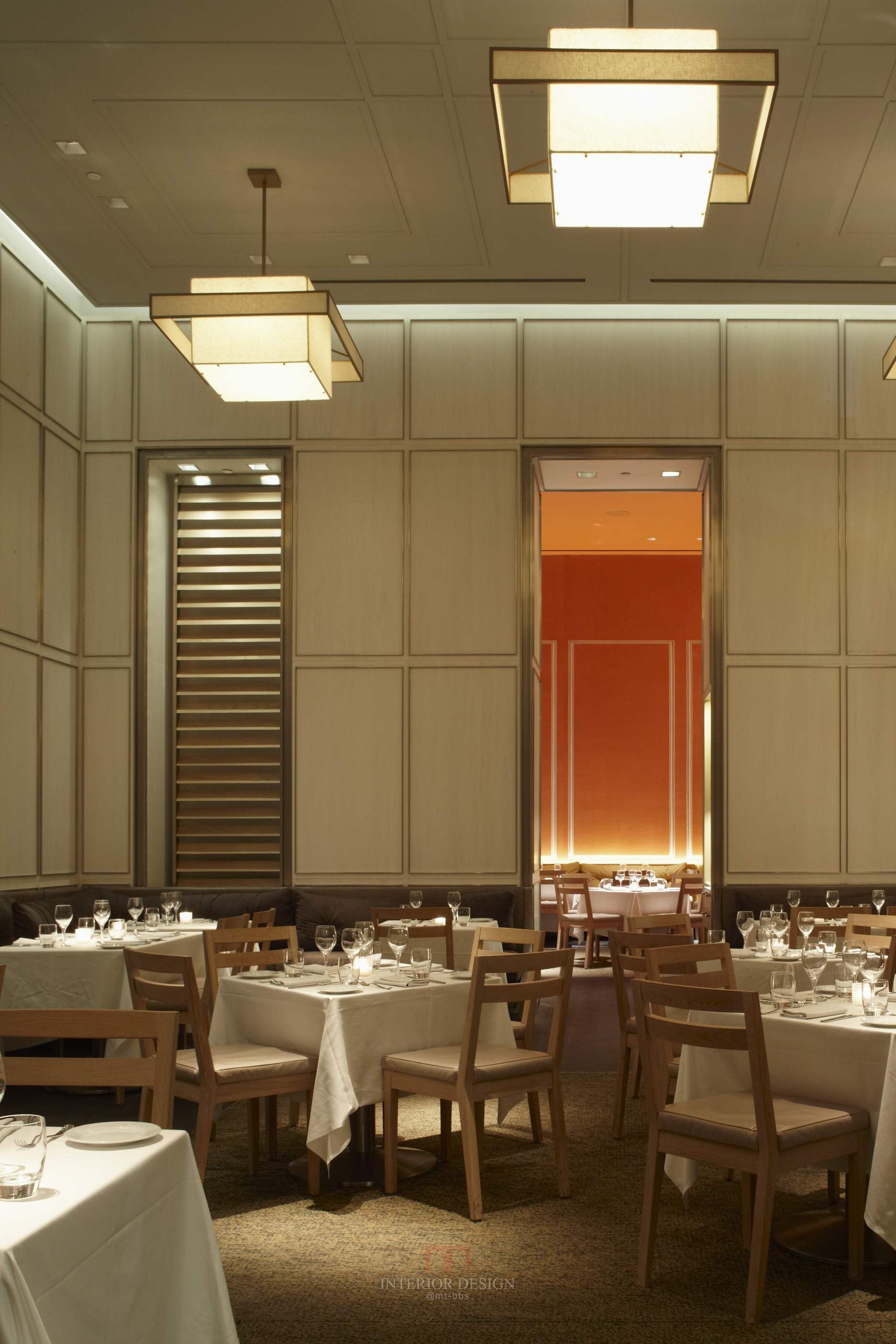
- 151
Interior Design Hong Kong: Designing Iconic Hospitality Experiences
Hong Kong is a dynamic nexus of culture, commerce, and travel. From the bustling streets of Central and Admiralty to the luxury corridors of Tsim Sha Tsui and Wan Chai, hotels must do more than provide accommodation—they must deliver memorable experiences. Interior design Hong Kong is the strategic tool that transforms hospitality spaces into iconic destinations, enhancing both guest satisfaction and business performance.
In a highly competitive market, where business travelers, tourists, and social influencers converge, creating distinctive and emotionally resonant hotel environments is essential. 入住不只是住宿,而是一种体验—(staying is not just about lodging, but an experience).
Understanding Hong Kong’s Hospitality Landscape
Hong Kong’s hospitality market is shaped by:
- High Tourism & Business Travel: A constant influx of international visitors and corporate clients demands hotels that cater to both comfort and prestige.
- Dense Hotel Competition: Luxury brands, lifestyle hotels, and boutique properties all vie for attention in limited urban space.
- Cultural & Architectural Context: Local design elements—from colonial-era facades to contemporary high-rise structures—offer rich inspiration for interiors.
- Climate Considerations: Subtropical heat and humidity necessitate careful selection of ventilation, cooling, and shading strategies.
- Design-Driven Differentiation: With an increasingly design-conscious clientele, hotels must offer unique atmospheres that reflect both local identity and global luxury standards.
Concept-Driven Design: The Foundation of Iconic Hotels
Creating memorable hospitality experiences begins with a strong, cohesive concept. Our firm develops designs that integrate:
- Brand Identity & Storytelling: Every element—from color palettes to materials and furniture—reflects the hotel’s narrative.
- Guest Journey Mapping: Each touchpoint, from arrival to check-out, is thoughtfully designed to guide and delight guests.
- Experience Differentiation: Signature design elements, focal points, and visually striking moments create lasting impressions and social media-worthy spaces.
Spatial Planning & Guest Journey
A hotel’s interior must balance functionality and emotion. Circulation, zoning, and layout influence both guest comfort and operational efficiency:
- Entrance & Lobby: The first impression sets the tone. Strategic lighting, welcoming seating, and visual anchors ensure a seamless, emotionally engaging arrival.
- Reception & Service Flow: Reception areas are designed for clarity, efficiency, and ease of movement while maintaining elegance.
- Guest Rooms & Suites: Spatial hierarchy ensures privacy, comfort, and optimized flow. Furniture ergonomics, acoustic comfort, and tactile materials enhance guest well-being.
- Dining & Social Spaces: Restaurants, bars, lounges, and wellness areas are crafted to encourage interaction while offering immersive atmospheres.
Key Design Considerations
Every material, lighting strategy, and furniture selection contributes to atmosphere and performance. In Interior design Hong Kong, we focus on:
- Lighting & Atmosphere: Layered ambient, task, and accent lighting highlights architectural features while creating warmth and intimacy.
- Material & Tactile Experience: Locally inspired textures and durable finishes ensure sensory delight and long-term performance.
- Acoustic Comfort & Privacy: Sound management is integrated to enhance guest comfort in both public and private spaces.
- Furniture & Ergonomics: Bespoke and thoughtfully scaled furnishings contribute to functional elegance.
- Sensory Design: Subtle touches such as scent, soundscapes, and visual rhythm elevate the overall experience.
Balancing Creativity with Practicality
Memorable hotels are functional hotels. Our firm ensures designs are operationally viable, durable, and sustainable:
- Durability & Maintenance: Material choices consider Hong Kong’s humidity, high footfall, and long-term upkeep.
- Staff Workflow & Circulation: Layouts optimize service efficiency without compromising guest experience.
- Sustainability & Smart Integration: Flexible spaces and technology enhance both comfort and operational performance.
Embedding Cultural Context
Authenticity is a hallmark of luxury hospitality. Drawing inspiration from Hong Kong’s unique blend of Eastern and Western influences, our designs incorporate:
- Local craftsmanship and artisanal details
- Subtle cultural motifs in textures, colors, and architectural accents
- Contextual design that complements surrounding architecture while maintaining global luxury standards
Measuring Business Outcomes
Strategic interior design directly impacts key performance metrics:
- Increased guest satisfaction and loyalty
- Enhanced brand recognition and positioning
- Higher occupancy rates and premium pricing potential
- Long-term value creation for hotel owners and operators
Our Approach: From Concept to Completion
Our firm delivers end-to-end solutions for hotel interiors:
- Concept development and storytelling
- Spatial planning and guest journey design
- 3D visualization and technical detailing
- Material selection and custom furniture design
- Construction coordination and final styling
This holistic approach ensures that every hotel is both iconic and functional, providing a complete, cohesive experience.
Conclusion: Transforming Hotels into Iconic Destinations
In Hong Kong’s competitive hospitality landscape, hotels must stand out. Through Interior design Hong Kong, our firm transforms properties into iconic, memorable experiences that resonate with guests emotionally while driving operational success. By integrating brand identity, cultural context, and thoughtful design strategies, we craft spaces where luxury, functionality, and storytelling converge.
每一次入住都是一次难忘的旅程—(every stay becomes an unforgettable journey).
This article integrates “Interior design Hong Kong” 3–4 times, uses local cultural references, and maintains a warm, professional, people-centric tone. It also addresses both guest experience and operational ROI to appeal to business-minded hospitality readers.
If you want, I can also create a version tailored for social media snippets or LinkedIn insights to amplify thought-leadership reach for your firm. Do you want me to do that?
Connect with us in


