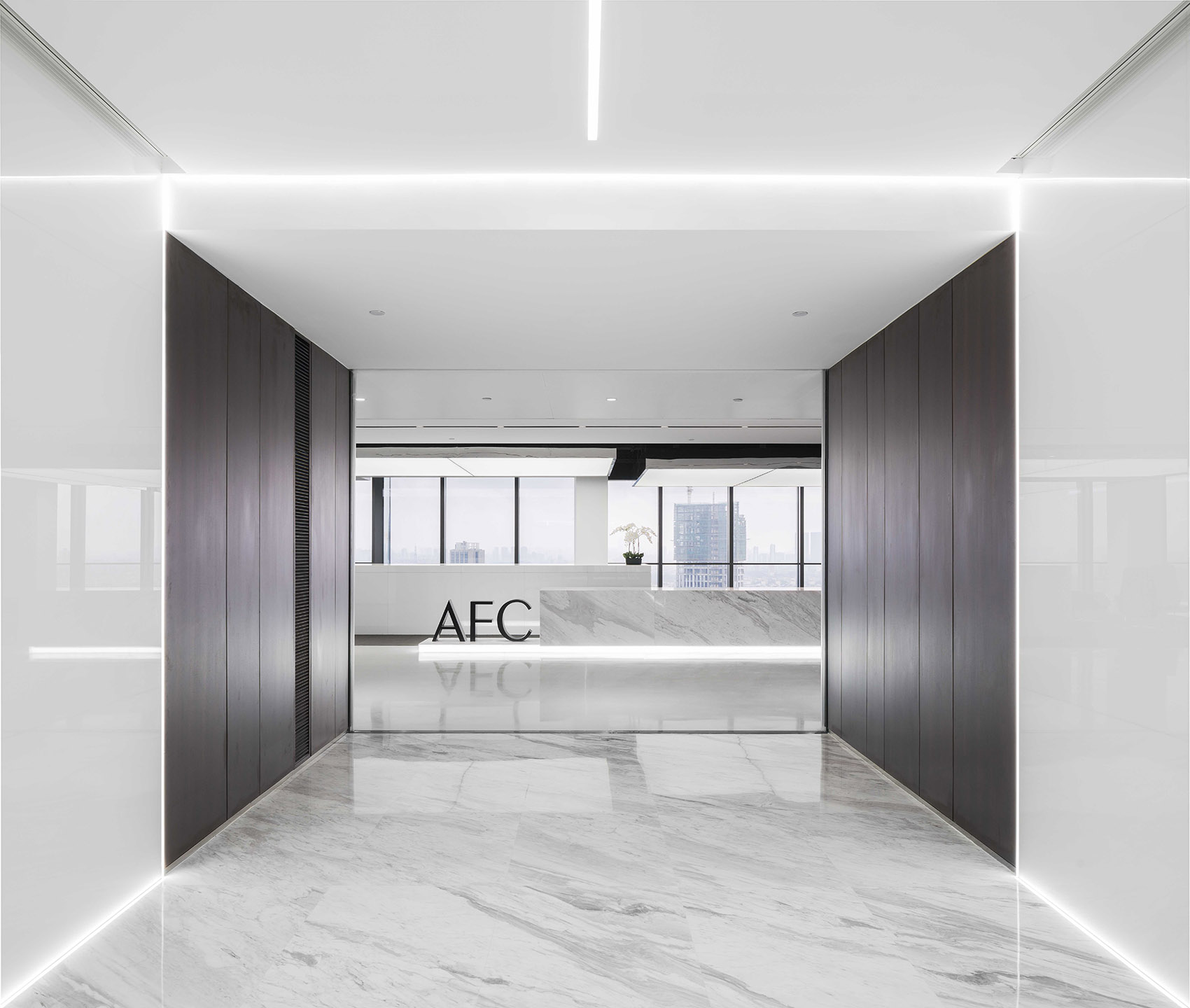
- 128
Interior Design Hong Kong | From Destinations to Living Environments: The Future of Hospitality Design
Hospitality design is no longer simply about creating beautiful destinations. In 2026, it is evolving into something far more immersive: living environments that support how people work, socialize, recharge, and emotionally connect. Interior Design Hong Kong
The lines between hotels, residences, workplaces, and lifestyle spaces are dissolving. Travelers are staying longer, working remotely, prioritizing wellbeing, and seeking experiences that feel meaningful rather than transactional. As a result, hospitality environments are shifting from temporary accommodations into integrated ecosystems shaped by emotion, flexibility, and human experience.
At our firm, we approach interior Design Hong Kong through this evolving lens. We believe hospitality today must feel intuitive, culturally grounded, emotionally restorative, and deeply connected to the rhythms of modern life.
In a city like Hong Kong—where dense urban living meets global luxury hospitality—the transformation is especially visible. From Central and Admiralty to West Kowloon and Quarry Bay, hospitality spaces are becoming increasingly lifestyle-driven, experience-focused, and socially activated. 酒店不只是住宿,而是生活体验的一部分—hospitality is no longer only about staying somewhere; it is part of how people live.
The Shift from Destination to Living Environment
Traditional hospitality models focused primarily on accommodation. Today, guests expect much more.
Modern hospitality environments now function as:
- Social gathering spaces
- Coworking and remote work environments
- Wellness retreats
- Cultural experiences
- Flexible lifestyle destinations
Hotels are increasingly designed as places where people spend meaningful time beyond sleeping. Lobbies become social lounges, cafés transform into hybrid workspaces, and wellness amenities evolve into essential lifestyle components.
In interior Design Hong Kong, this shift is especially important due to the city’s fast-paced professional culture and increasing demand for emotionally engaging urban environments. Hospitality spaces must now feel more residential, more human, and more adaptable.
Hospitality Design in the Experience Economy
Luxury alone is no longer enough.
Today’s travelers and users increasingly value:
- Emotional connection
- Authenticity
- Personalization
- Sensory engagement
- Memorable interaction
This evolution is shaping a new hospitality language centered less on spectacle and more on atmosphere.
Design now focuses on how people feel within a space:
- The softness of lighting in a lounge
- The tactile warmth of natural materials
- The calm rhythm of spatial flow
- The emotional comfort created through acoustics and proportion
In Hong Kong’s highly competitive hospitality environment, experience becomes the true differentiator. Guests remember how a space made them feel—not simply how it looked.
The Blurring of Hospitality, Residential & Workplace Design
One of the most significant changes in modern hospitality is the merging of typologies.
Today’s hospitality spaces increasingly incorporate:
- Residential warmth and intimacy
- Workplace flexibility and productivity
- Lifestyle amenities and social interaction
This influence can now be seen across:
- Hospitality-inspired workplaces
- Branded residences
- Lifestyle hotels
- Hybrid social clubs
- Mixed-use hospitality developments
In interior Design Hong Kong, this convergence reflects the realities of urban life. Compact living, hybrid work culture, and increasing demand for flexible environments are reshaping expectations around hospitality and design.
Spaces must now feel multifunctional without losing emotional coherence.
Designing for Wellness & Human Connection
Wellbeing has become central to hospitality design. In dense cities like Hong Kong, where urban intensity shapes daily life, hospitality environments increasingly serve as emotional refuges.
We design spaces that support wellbeing through:
- Biophilic integration and greenery
- Natural and layered lighting
- Tactile, calming materials
- Acoustic comfort and sensory softness
- Wellness-oriented amenities
- Flexible social and quiet retreat spaces
The goal is not simply visual calm, but emotional restoration.
让空间帮助人放松,而不是增加压力。 Design should reduce stress, not contribute to it.
This human-centered approach defines the future of hospitality.
Technology & the Future Guest Experience
Technology is also reshaping hospitality environments in profound ways.
Modern hospitality increasingly integrates:
- Smart room controls
- AI-driven personalization
- Seamless digital check-in experiences
- Data-informed space optimization
- Intelligent environmental controls
However, technology should never feel cold or intrusive.
At our firm, we believe technology must support warmth, comfort, and simplicity rather than replace human connection. The future of hospitality lies in balancing digital convenience with emotional experience.
In Hong Kong’s innovation-driven market, this balance is becoming essential for premium hospitality environments.
Designing Hospitality Spaces in Hong Kong
Hong Kong presents a uniquely complex hospitality landscape shaped by density, global tourism, business travel, and luxury expectations.
Hospitality design strategies here must respond to:
- Compact urban footprints
- High guest expectations around service and atmosphere
- Strong lifestyle and culinary culture
- International tourism and business traffic
- Increasing demand for experiential and socially activated spaces
This means interior Design Hong Kong often prioritizes:
- Compact luxury and efficient spatial planning
- Multifunctional hospitality environments
- Sophisticated layering of light and materials
- Strong cultural storytelling and identity
- Social activation through flexible public spaces
From boutique hotels in Sheung Wan to luxury hospitality towers in Central, the future of hospitality in Hong Kong is increasingly immersive, lifestyle-oriented, and emotionally intelligent.
Our Hospitality Design Approach
Our firm approaches hospitality design holistically, balancing operational intelligence with emotional storytelling.
Concept Strategy
We define the core narrative and positioning of the hospitality experience.
Guest Journey Mapping
We study how users arrive, move, interact, and emotionally engage with the environment.
Spatial Planning
We create layouts that support flexibility, operational flow, and comfort.
Material & Lighting Curation
We shape atmosphere through layered textures, lighting, and sensory detail.
Operational Understanding
We integrate hospitality functionality seamlessly into the design experience.
Execution
We oversee delivery carefully to ensure precision and consistency from concept to completion.
This methodology ensures hospitality spaces remain timeless, functional, and emotionally resonant.
Our Perspective
At our firm, we believe the future of hospitality is no longer about destinations alone—it is about creating environments where people genuinely want to spend time, connect, and feel restored.
Through our approach to interior Design Hong Kong, we create spaces where hospitality, lifestyle, emotion, and cultural relevance coexist harmoniously.
We design not only for aesthetics, but for memory, atmosphere, wellbeing, and long-term experience.
Because the most successful hospitality environments are not simply visited—they become part of how people live.
Rethink Hospitality Beyond Convention
The future of hospitality belongs to spaces that feel human, immersive, and deeply connected to modern life.
If you are developing a hospitality project in Hong Kong, our firm invites you to think beyond traditional models and toward experiences that combine lifestyle, flexibility, wellness, and emotional connection.
Together, we can create hospitality environments that are future-ready, culturally grounded, and designed to leave a lasting impression.
Connect with us in


