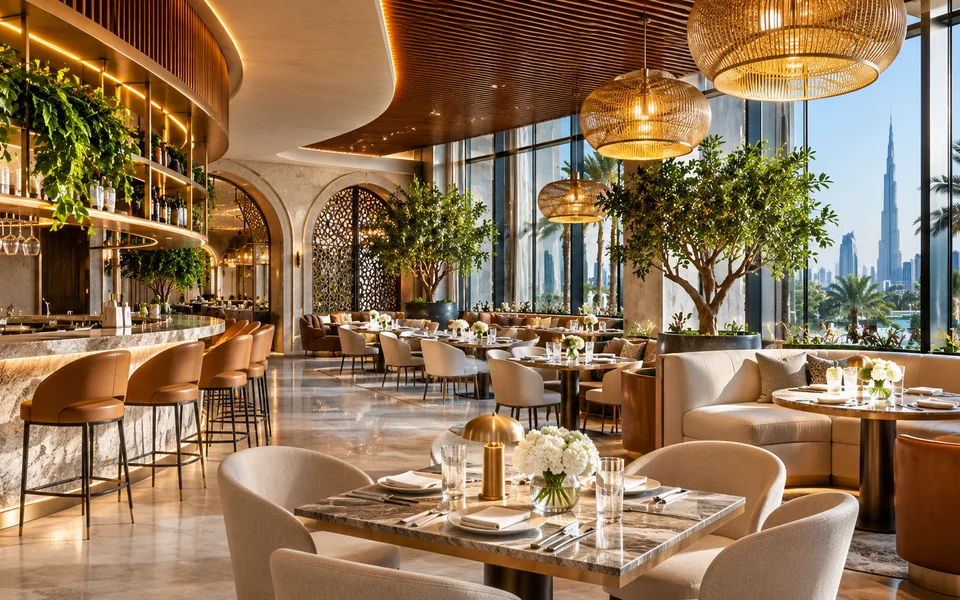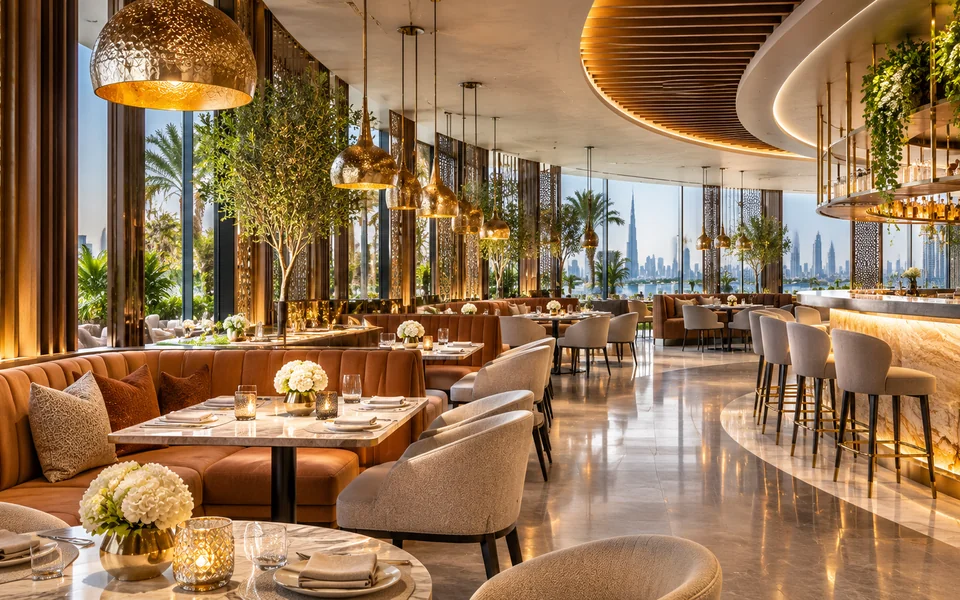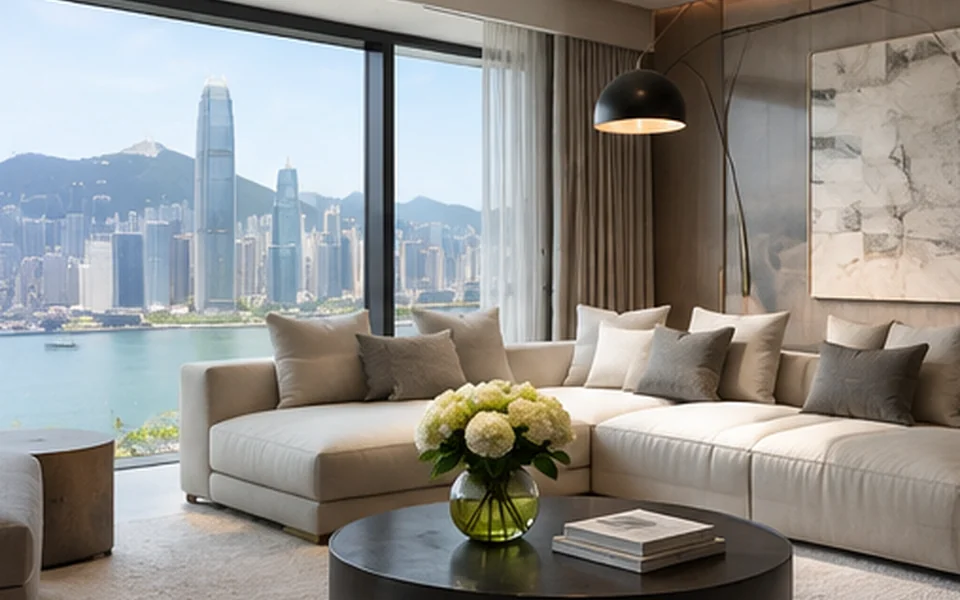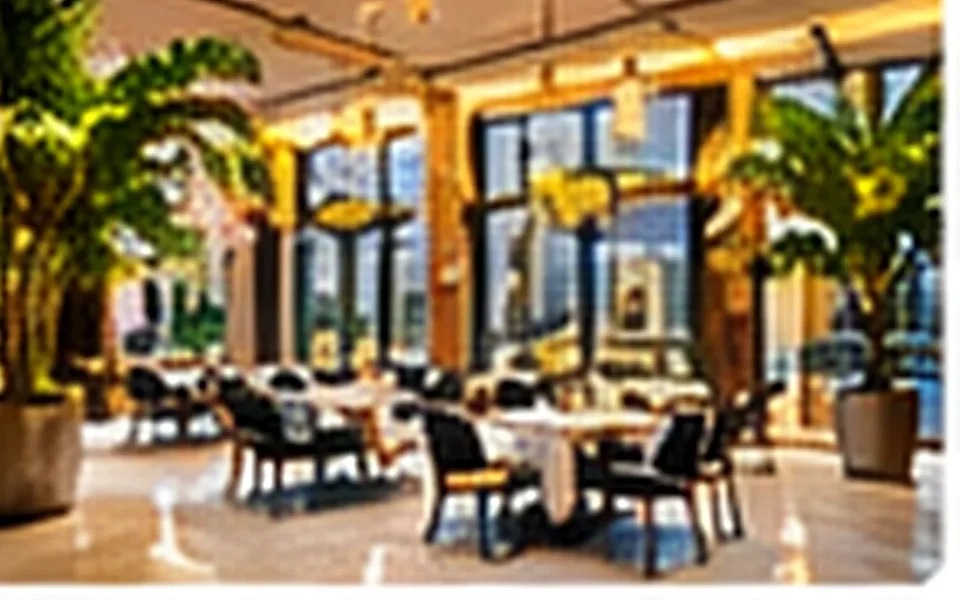
A restaurant interior design company in Hong Kong should use the brand as a design framework, not an excuse for visual decoration. The dining concept, target guest, service rhythm and budget all influence the space. A restaurant that communicates one story online but feels entirely different in person loses the opportunity to build a recognisable experience.
Connect restaurant concept, cuisine, service style and durable material choices into one coherent guest experience.
Define the promise of the dining concept
Start with cuisine, price positioning, typical visit length and the desired mood. A relaxed neighbourhood restaurant needs different furniture and acoustics from a formal tasting-menu destination. Write a short experience brief that staff can understand; it should guide practical decisions, not merely marketing language.
Translate identity into the guest journey
Arrival, waiting, table service, lighting and signage should reinforce the same character. Consider local context without turning the restaurant into a collection of stereotypes. A distinctive feature can be subtle, such as a well-detailed timber screen that also separates seats and directs movement.
Design for staff and cleaning as well as guests
Brand identity deteriorates quickly when service is awkward or materials stain and break. Include server stations, storage, durable edges and lighting access in the concept. Ask the operator how the room will be maintained and how furniture will be rearranged for different bookings.
Plan for long-term evolution
Menus and campaigns change faster than interior fit-out cycles. Create an enduring material foundation with selected elements that can be refreshed. Record colours, finishes and replacement components. This keeps the restaurant recognisable without requiring a full remodel every time the concept evolves.
Example: a practical project decision
A new restaurant wants an elaborate nautical theme. The design team instead uses a clear service plan, restrained textures and a distinctive light feature; the space remains coherent as the menu changes.
Putting this into practice
At the next review, ask the project team to write a short guest experience brief. The following discussion should address how to align service plan with brand personality. Document the assumptions, responsible people and any unresolved questions before approving drawings or supplier orders. Before the next commitment, prioritise durable and maintainable details and leave selected elements easy to refresh. Where building management instructions, technical submissions or specialist work are involved, seek the advice of properly qualified parties. A useful decision record explains not only what was chosen but why, with any effect on budget, maintenance, user comfort or construction programme clearly stated.
A short decision checklist
- Write a short guest experience brief
- Align service plan with brand personality
- Prioritise durable and maintainable details
- Leave selected elements easy to refresh
Frequently asked questions
Does every restaurant need an elaborate theme?
No. Coherent experience and thoughtful details often build stronger identity than literal decoration.
Can branding and operations be designed together?
Yes. The most effective brand environments express character through practical guest and staff experiences.