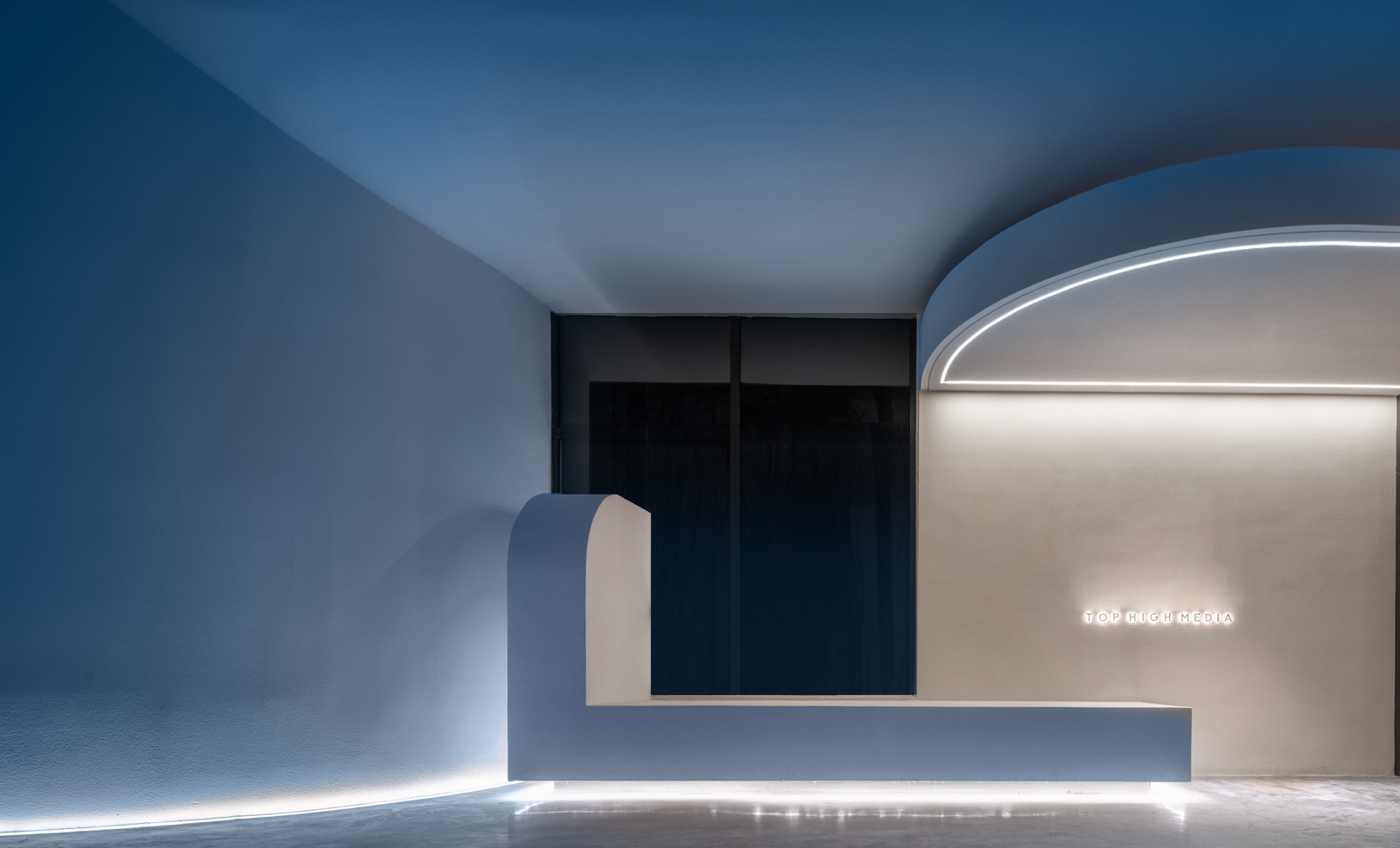
Hotel Interior Design & Build in Hong Kong
In Hong Kong’s evolving hospitality ecosystem, Hotel Interior Design & Build Hong Kong isn’t just about spaces that look good — it’s about environments that perform commercially, satisfy operational needs, comply with local regulation, and reflect the city’s unique urban and cultural context. As a design practitioner deeply engaged in hospitality environments, I’ll walk you through how strategic design thinking meets disciplined execution in one of Asia’s most competitive hotel markets.
Hong Kong is a dense, vertical city shaped by a history of colonial trade, financial intensity, and a compact urban fabric. This context both elevates opportunity for hospitality development and tightens the constraints within which hotels must succeed. Design here must respond simultaneously to commercial performance drivers, tough regulatory and construction landscapes, and discerning guest expectations shaped by global travel trends.
Understanding the Hotel Market in Hong Kong
Hong Kong’s hotel sector continues to recover and recalibrate following global travel disruptions. Recent research from CBRE reveals that occupancy rates have improved modestly while average daily rates (ADR) have moderated, pointing to a market in recovery but constrained by competitive pressures and uneven demand across source regions.
Unlike many Asian destinations that rely heavily on leisure tourism, Hong Kong’s hospitality demand remains significantly influenced by corporate travel, cross-border business visits, and events tied to its financial and exhibition calendar. The city’s GDP is closely tied to financial services, logistics and trade, meaning business travel patterns have a direct bearing on hotel performance metrics and design priorities.
Investors and operators are prioritizing properties that can sustain returns across economic cycles. Upper upscale and luxury segments show resilience — particularly where design sophistication aligns with international guest expectations and operational efficiency.
Competitive Positioning
Hong Kong’s hotel landscape features a mix of global brands, boutique properties and thematic design-led environments. Iconic projects like The Murray, Regent Hong Kong and niche newcomers in neighborhoods such as Tai Hang or Wan Chai reflect diversity in typologies and design intent.
Given this landscape, design has become a strategic differentiator — either reinforcing luxury service narratives or creating compelling lifestyle identities that draw repeat visits and premium rate capture.
Strategic Hotel Interior Design for Competitive Advantage
Design in a hotel must be calibrated to enhance revenue drivers and guest satisfaction across every touchpoint. It begins with understanding guest journey mapping — an analytical process that identifies key spatial moments from arrival to departure and aligns design decisions with business objectives.
Arrival and Lobby Experience
The lobby is more than a welcome space — it is a revenue generator and a brand gateway. In Hong Kong’s high-density districts like Central or Tsim Sha Tsui, where first impressions set the tone for guest experience, arrival design must deliver clarity of function (check-in flow, baggage handling), curated sightlines and adaptable zones for work, rest and social interaction. Thoughtful spatial sequencing can increase dwell time and incremental spend at adjacent F&B venues.
Room Design and Operational Efficiency
Guest rooms are a significant ADR driver. Strategic room planning considers not only aesthetics but also circulation efficiencies, storage intelligence, acoustic isolation, and ergonomic layouts that support extended stays and business travelers. Design decisions here directly affect guest comfort scores — metrics increasingly linked to booking engine performance.
Public Spaces and F&B Integration
Public spaces — from rooftop bars to wellness lounges — are crucial in markets like Hong Kong that attract bleisure and regional visitors. Design enthusiasts have noted Hong Kong hotels incorporating open-concept communal areas and biophilic elements to enhance guest interaction and Instagrammable moment opportunities.
These spaces need to balance social visibility with operational practicality — clear back-of-house access, service circulation, and adaptable layouts for events or social programming that support ancillary revenue streams.
Embedding the Character of Hong Kong into Hotel Design
Hong Kong’s identity is a layered blend of Cantonese heritage, colonial influence and global cosmopolitanism. Great hotel design in this market must embed contextual authenticity without resorting to stereotype.
Cultural Storytelling
In neighborhoods such as Sheung Wan or Tai Hang, subtle cultural references — from calligraphic motifs to artisanal craft elements — can reinforce a sense of place. This does more than delight guests; it grounds the property in local narratives that extend beyond typical luxury tropes.
Local Materials and Climate Relations
Selecting materials that respond to Hong Kong’s humid subtropical climate is essential. Textural surfaces must resist humidity-induced deterioration, and interior materials must be specified with resilience to moisture, mould and high-usage wear patterns — considerations that are as technical as they are aesthetic.
Global Hospitality Standards + Local Expression
While international travellers expect globally consistent levels of comfort and service, layering authentic local craft or materiality helps properties stand out in a market crowded with both global flags and boutique competition. Thoughtful integration of Hong Kong’s artistic pulse and craft networks can create differentiation without diluting performance standards.
Delivering Hotel Construction the Right Way
Execution in Hong Kong’s regulatory environment demands methodical coordination between design intent and complex statutory compliance.
Authority Submissions & Safety Standards
Hong Kong’s building approval system requires careful navigation of fire safety codes, structural standards, and MEP (mechanical, electrical and plumbing) compliance — often necessitating early-stage integration of specialist consultants. Design & build projects benefit from early alignment with fire engineers, building services engineers and local code experts to mitigate costly redesigns.
Coordination Complexity
MEP planning in a high-rise, mixed-use environment such as Hong Kong’s skyscraper context calls for intensive coordination. Efficient HVAC design must respond to climatic conditions, internal load patterns, and public health expectations while preserving guest comfort. Similarly, acoustic insulation strategies between rooms and around vertical transportation zones must be engineered precisely.
On-site execution must anticipate logistical constraints inherent to Hong Kong — tight urban sites, limited staging areas, and high labour and material costs. A rigorous procurement strategy is critical to secure quality FF&E (furniture, fixtures and equipment) without schedule disruptions.
Building for Durability in Hong Kong’s Environment
True durability in hotel interiors goes beyond visual longevity — it embraces environmental resilience.
Humidity Management
Hong Kong’s high humidity accelerates material degradation. Strategies such as integrated moisture barriers, ventilated wall systems, and materials with low moisture absorption help prevent latent defects.
Facade and Interior Interfaces
Facade systems — often expressed as curtain wall intersections — must be designed with thermal bridging and water ingress risks in mind. Interior finishes must account for shifting thermal conditions without premature joint failure.
Sustainable Material Lifecycle
Incorporating materials that balance aesthetic value with maintenance efficiency — from engineered stone in high-traffic zones to sustainable wood goods — not only reduces lifecycle costs but speaks to growing guest expectations for environmental performance.
Our Integrated Hotel Design & Build Process
Our methodology is structured yet flexible, ensuring each phase feeds strategically into the next.
-
Concept Workshops & Brand Alignment: We begin with stakeholder workshops to align commercial goals, brand attributes, and guest experience expectations with design direction.
-
Spatial Zoning and Visualisation: From detailed space programmes to 3D renderings, mock-ups and VR simulations help validate spatial intent early.
-
Authority Approval Management: We integrate local compliance requirements from schematic design onward, reducing risk of costly redesigns.
-
Detailed Construction Documentation: Coordinated drawings with MEP, structural and fire safety systems form a coherent execution set.
-
Cost Planning & Phasing: Robust budgeting and phased construction scheduling mitigate financial surprises while protecting critical path milestones.
-
Quality Inspection and Commissioning: Structured inspection regimes and practical completion protocols ensure deliverables meet design specifications and operational readiness.
A Trusted Hotel Interior Design Company in Hong Kong
Developers in Hong Kong choose experienced design partners because the stakes — both financial and reputational — are high. Our approach synthesizes:
-
A grounded understanding of Hong Kong’s hospitality market dynamics
-
Proven coordination capabilities across complex multidisciplinary teams
-
Procurement networks that secure quality FF&E and architectural finishes
-
Design thinking that uplifts brand value without compromising operational efficiency
We align with operators’ technical requirement sets — whether boutique, luxury, or lifestyle — and deliver environments that support ADR growth, favourable RevPAR performance, and strong guest satisfaction metrics.
Preventing Delays and Budget Overruns in Hotel Projects
Risk management is a strategic discipline:
-
Contract Structuring: Clear milestone-based deliverables and risk-sharing frameworks
-
Supplier Vetting: Prequalification and validated vendor performance histories
-
Inspection Systems: Routine on-site checks and coordinated snag rectification workflows
-
Post-Completion Support: Defined maintenance transition plans that protect investment
This disciplined approach preserves both timeline integrity and financial control — critical in Hong Kong’s cost-dense environment.
Build a Hotel That Stands Out in Hong Kong
If your hotel project demands design precision, operational intelligence, and local insight, meaningful dialogue begins here. Whether refining concept feasibility or advancing detailed execution plans, our expertise bridges vision and delivery with commercial rigour and cultural relevance.
Connect with us in Hong Kong Hotel Interior Design & Build


