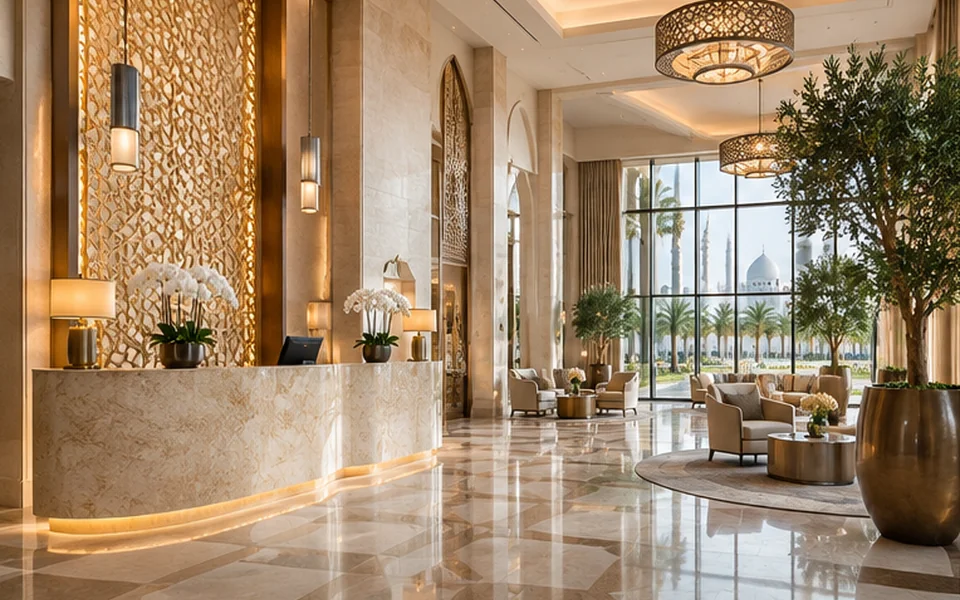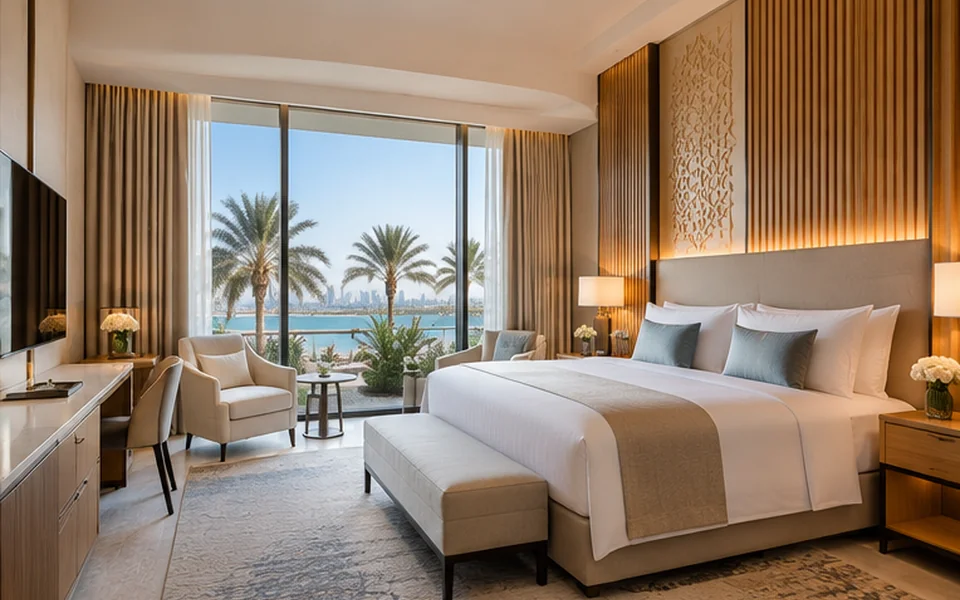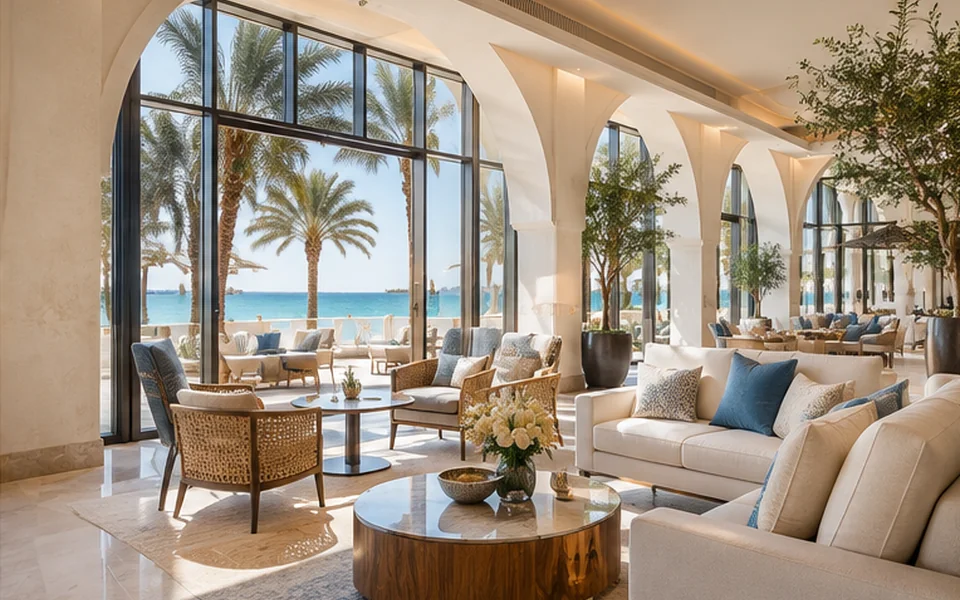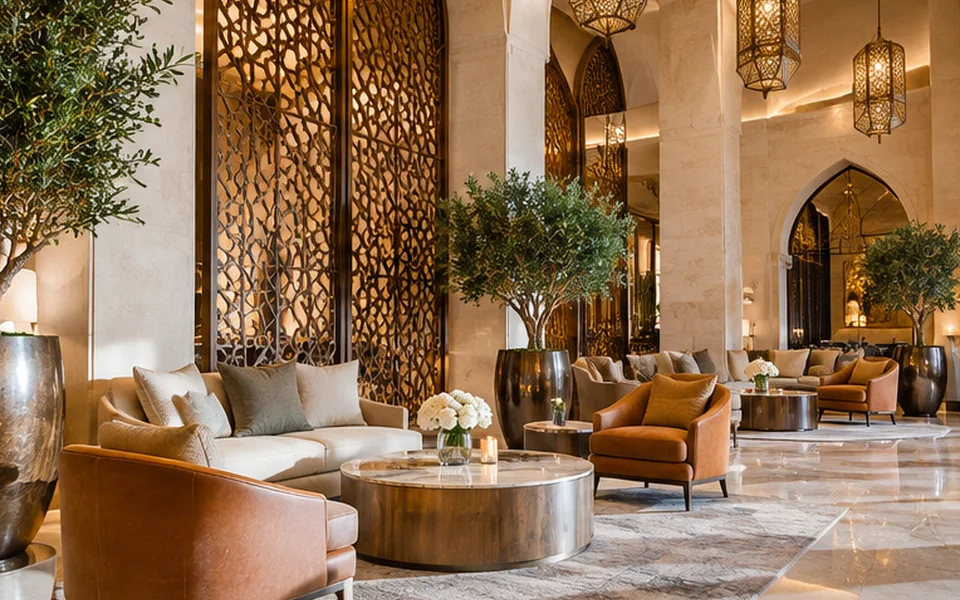
A boutique hotel interior design company in Hong Kong can find identity in more than a theme. The city offers layers of cultural and architectural character, but a successful hotel should also serve today’s travellers. Distinctiveness emerges when the entrance, rooms, dining and service reflect one coherent idea without sacrificing operational quality.
Design a distinctive boutique hotel using local context, authentic material choices and consistent guest experiences.
Research the neighbourhood rather than copying motifs
A property in Sheung Wan has a different relationship with its streets than one in West Kowloon. Study patterns of arrival, surrounding scale, light and local crafts. Inspiration should become a considered design vocabulary, not an assemblage of nostalgic props. Where local makers are involved, credit and procurement should be agreed clearly.
Build an experience across touchpoints
Arrival signage, reception, corridor lighting, guestroom materials and dining areas should feel related. Brand consistency does not require identical finishes everywhere. Establish a small set of principles for atmosphere, details and maintenance. Test whether the guest understands the property’s character without relying on marketing copy.
Keep storytelling compatible with comfort
Feature pieces can draw attention but should not impede luggage movement or make rooms difficult to clean. Balance visual impact with acoustic comfort, privacy and intuitive technology. A locally inspired screen can provide both identity and functional separation when detailed for the actual site.
Plan how the character will age
Boutique hotels are vulnerable to trend-driven refurbishment cycles. Choose repairable details and furnishings whose character can survive wear. Keep a finishes register so replacement parts match the design intent. Discuss which elements can be refreshed seasonally and which should remain durable anchors of the interior.
Example: a practical project decision
A small heritage-adjacent hotel wants a dramatic motif on every wall. The design team narrows the identity to tactility, a few curated local pieces and consistent lighting, leaving guest rooms restful.
Putting this into practice
At the next review, ask the project team to research the neighbourhood and users. The following discussion should address how to write shared design principles for each zone. Document the assumptions, responsible people and any unresolved questions before approving drawings or supplier orders. Before the next commitment, test feature elements against operations and use durable, replaceable brand details. Where building management instructions, technical submissions or specialist work are involved, seek the advice of properly qualified parties. A useful decision record explains not only what was chosen but why, with any effect on budget, maintenance, user comfort or construction programme clearly stated.
A short decision checklist
- Research the neighbourhood and users
- Write shared design principles for each zone
- Test feature elements against operations
- Use durable, replaceable brand details
Frequently asked questions
Does boutique design require traditional motifs?
No. Contemporary spaces can respond to local context through materials, proportions and craft.
How can a hotel remain distinctive over time?
Keep its core identity consistent while allowing flexible furniture, art and soft furnishings to evolve.