Indoor air quality depends on multiple interacting factors: ventilation, pollution sources, moisture, materials and maintenance. A “green” material palette cannot substitute for sound building-services design and operation.
Hong Kong Interior Design: Indoor Air Quality Through Better Design addresses a practical question for workplace and property managers concerned about indoor air. The useful starting point is not a trend or a mood board; it is a brief that connects space, users, routines and technical constraints. This guide breaks the decision into manageable steps.
In Hong Kong, compact floor plates, multi-storey buildings, building-management rules and demanding everyday operations can shape what is practical. A solution that looks convincing in a render should still be tested against actual site dimensions, access, maintainability and the people who will use it.
What matters most in practice?
1. Identify pollutant sources early
Review finishes, adhesives, cleaning products, printer areas and nearby outdoor pollution. Specify low-emission products where evidence is relevant, while recognising that construction sequencing and curing time also affect indoor conditions.
2. Coordinate ventilation with room use
Occupancy, equipment loads and enclosed meeting rooms can change air needs. Ask building-services professionals to verify the ventilation system and maintenance arrangements rather than assuming new partitions will work with existing air distribution.
Before committing to this stage, put the preferred option next to at least one workable alternative. Compare not only first impression and cost, but also how each choice changes cleaning, operations and future adjustments. A clear comparison keeps the discussion centred on outcomes.
3. Control moisture and hidden contamination
Watch for leaks, condensation and areas with poor drying. Avoid trapping moisture behind new wall linings. Investigation and remedial work should precede decorative concealment where water damage is suspected.
4. Verify performance after fit-out
Prepare for commissioning, maintenance information and, where appropriate, professional assessment. Hong Kong’s Environmental Protection Department has an Indoor Air Quality Certification Scheme for eligible offices and public places; eligibility and procedures should be checked against current official guidance.
Example: turn the brief into a workable option
A hypothetical planning scenario
An office conversion may create several enclosed phone rooms within an originally open floor. Even when the rooms look finished, inadequate supply air or heat build-up can make them uncomfortable. The ventilation brief must be reviewed together with the new layout.
The scenario is illustrative rather than a documented client project. For any real property, the scope should be reviewed through a site survey and professional coordination before construction or procurement.
Common mistakes to avoid
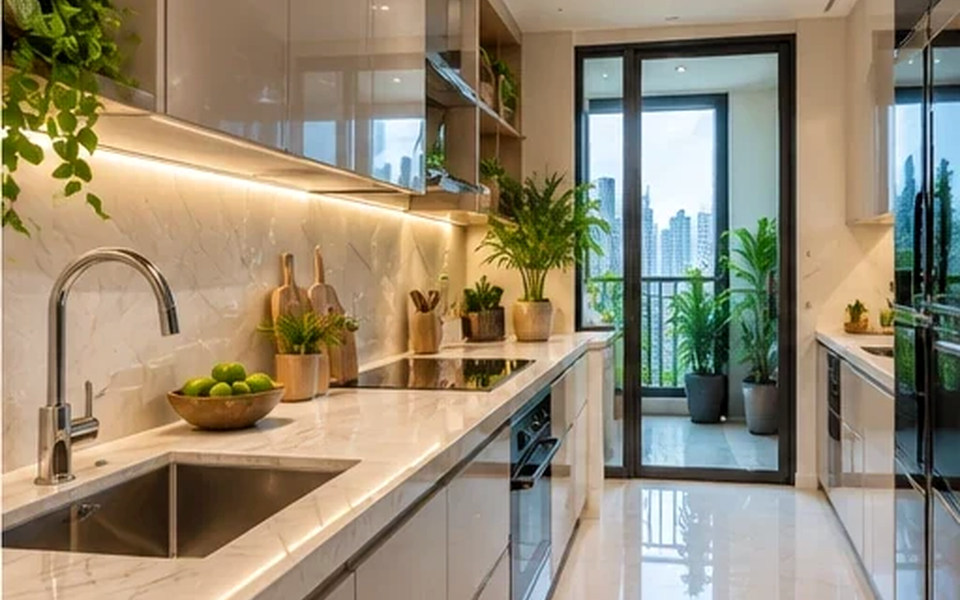
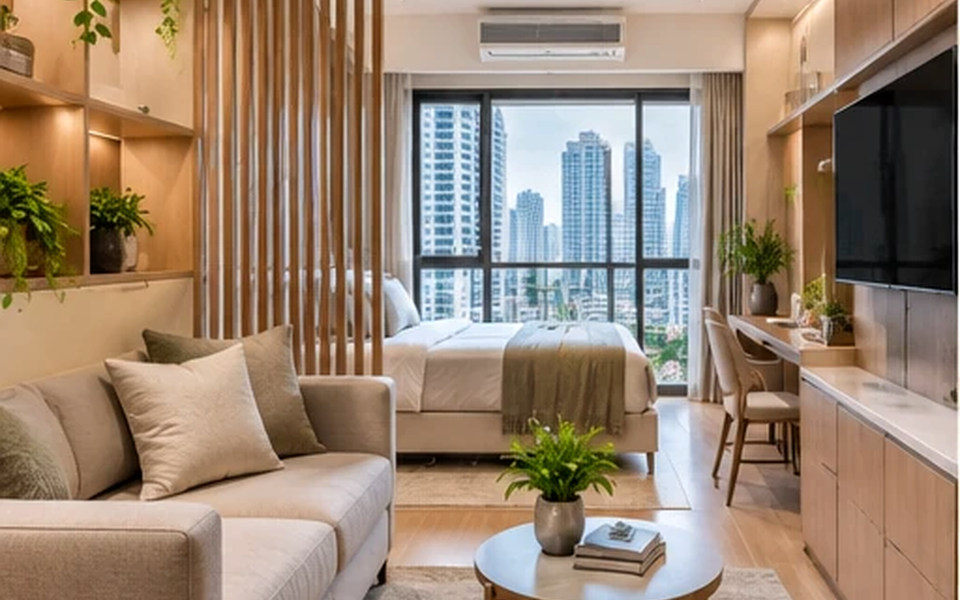
- Treating a potted plant as a substitute for ventilation. Ask the team to explain the practical consequence, who is responsible for the decision and how it will be checked before installation.
- Building closed rooms without HVAC coordination. Ask the team to explain the practical consequence, who is responsible for the decision and how it will be checked before installation.
- Failing to address leaks before new finishes are installed. Ask the team to explain the practical consequence, who is responsible for the decision and how it will be checked before installation.
Designer briefing checklist
Bring the following to the first project discussion. Specific information makes it easier to compare proposals and prevent expensive assumptions.
- Known pollutant sources and room occupancy schedules.
- Ventilation review by qualified building-services specialists.
- Material emission information and post-completion operations plan.
Also clarify the intended users, target completion window, overall budget constraints and who may approve changes. Discuss the site with the building manager early if the work could affect shared services, structure, fire safety, access, waterproofing or other regulated elements.
Frequently asked questions
Do indoor plants replace mechanical ventilation?
No. They may contribute to the setting, but ventilation and pollution-source control need proper design and operation.
Is the Hong Kong IAQ Certification Scheme relevant to every flat?
The scheme described by the Environmental Protection Department applies to eligible offices and public places; it is not a universal residential certification.
Can new furniture affect indoor air?
Some products and finishes emit substances. Review available product information and follow appropriate installation and ventilation guidance.
Next step
Use the checklist to create a concise project brief, then confirm the plan against the specific property and its constraints. If you want to discuss design and implementation, explore interior design and planning services, browse the studio’s portfolio and contact the team through the official enquiry page. This is general educational content, not a substitute for project-specific building or safety advice.