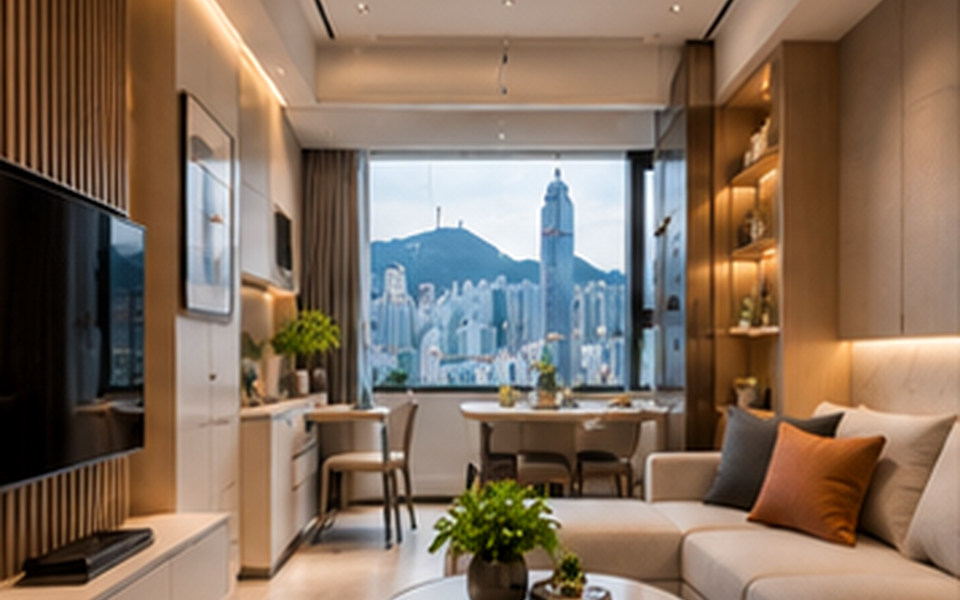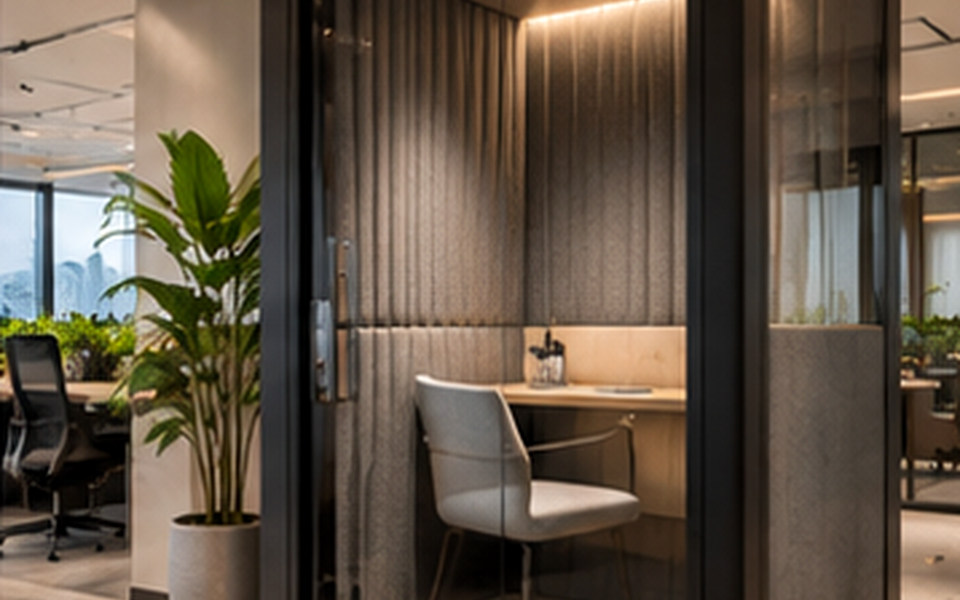
Smart interiors work when technology is reliable, optional and simple to operate. Devices should support daily routines rather than introducing fragile dependencies for basic room functions.
Hong Kong Interior Design: Practical Smart-Home Controls addresses a practical question for homeowners planning connected lighting and appliances. The useful starting point is not a trend or a mood board; it is a brief that connects space, users, routines and technical constraints. This guide breaks the decision into manageable steps.
In Hong Kong, compact floor plates, multi-storey buildings, building-management rules and demanding everyday operations can shape what is practical. A solution that looks convincing in a render should still be tested against actual site dimensions, access, maintainability and the people who will use it.
What matters most in practice?
1. Start with repeatable everyday tasks
List the actions people perform repeatedly: entry lighting, bedtime shut-down, curtain control or climate scheduling. Select automation only where it reduces real friction, and retain intuitive manual control.
2. Plan network and electrical infrastructure
Consider Wi-Fi coverage, local hubs, device power and future replacements. Concealed controllers require accessible locations and safe electrical installation. Avoid committing to a product ecosystem before checking long-term service support.
Before committing to this stage, put the preferred option next to at least one workable alternative. Compare not only first impression and cost, but also how each choice changes cleaning, operations and future adjustments. A clear comparison keeps the discussion centred on outcomes.
3. Treat privacy and security as design requirements
Ask what data devices collect and which functions require cloud accounts. Use secure credentials and a documented handover process. A smart lock or entry system deserves a fallback plan for lost connectivity or device failure.
4. Design for guests and future occupants
Provide clear wall controls for family members and visitors who do not use an app. Label equipment, record configuration details securely and verify whether a new tenant can reset the system without specialist help.
Example: turn the brief into a workable option
A hypothetical planning scenario
A household may request voice control for every light, but a simpler system of labelled scenes at the entrance and bedside could cover most needs. The goal is a home that functions reliably even if a phone is misplaced or the internet is unavailable.
The scenario is illustrative rather than a documented client project. For any real property, the scope should be reviewed through a site survey and professional coordination before construction or procurement.
Common mistakes to avoid
- Removing physical switches without a workable fallback. Ask the team to explain the practical consequence, who is responsible for the decision and how it will be checked before installation.
- Installing incompatible devices from multiple ecosystems. Ask the team to explain the practical consequence, who is responsible for the decision and how it will be checked before installation.
- Leaving passwords and system ownership unclear at handover. Ask the team to explain the practical consequence, who is responsible for the decision and how it will be checked before installation.
Designer briefing checklist
Bring the following to the first project discussion. Specific information makes it easier to compare proposals and prevent expensive assumptions.
- Most valuable automation scenarios.
- Network coverage and electrical locations.
- Security, fallback operation and service-access plan.
Also clarify the intended users, target completion window, overall budget constraints and who may approve changes. Discuss the site with the building manager early if the work could affect shared services, structure, fire safety, access, waterproofing or other regulated elements.
Frequently asked questions
Does a luxury interior need smart-home technology?
No. Technology is useful only when it supports the occupants and can be maintained.
Should smart lights still have switches?
Reliable manual control is usually a prudent design consideration, particularly for guests and outages.
What is the biggest smart-home planning mistake?
Buying hardware before defining actual routines, interoperability needs and the long-term support model.
Next step
Use the checklist to create a concise project brief, then confirm the plan against the specific property and its constraints. If you want to discuss design and implementation, explore interior design and planning services, browse the studio’s portfolio and contact the team through the official enquiry page. This is general educational content, not a substitute for project-specific building or safety advice.